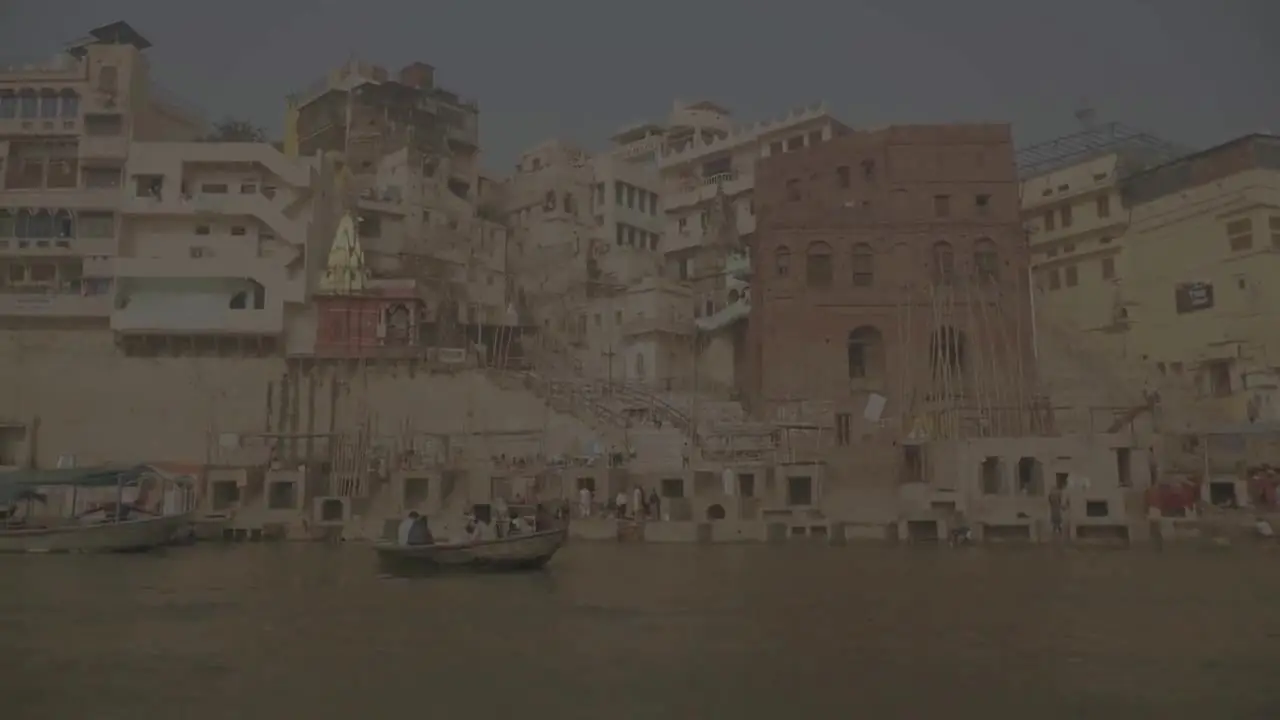
Prāṇāgni: The Fire of Life
Restoring daily worship to the ancient temples of Bhārata, beginning with Kāśī.
Keep the lamps of Bhārata burning.
An initiative of Ramdoot Restores Foundation
A temple is not a monument. It is a living body
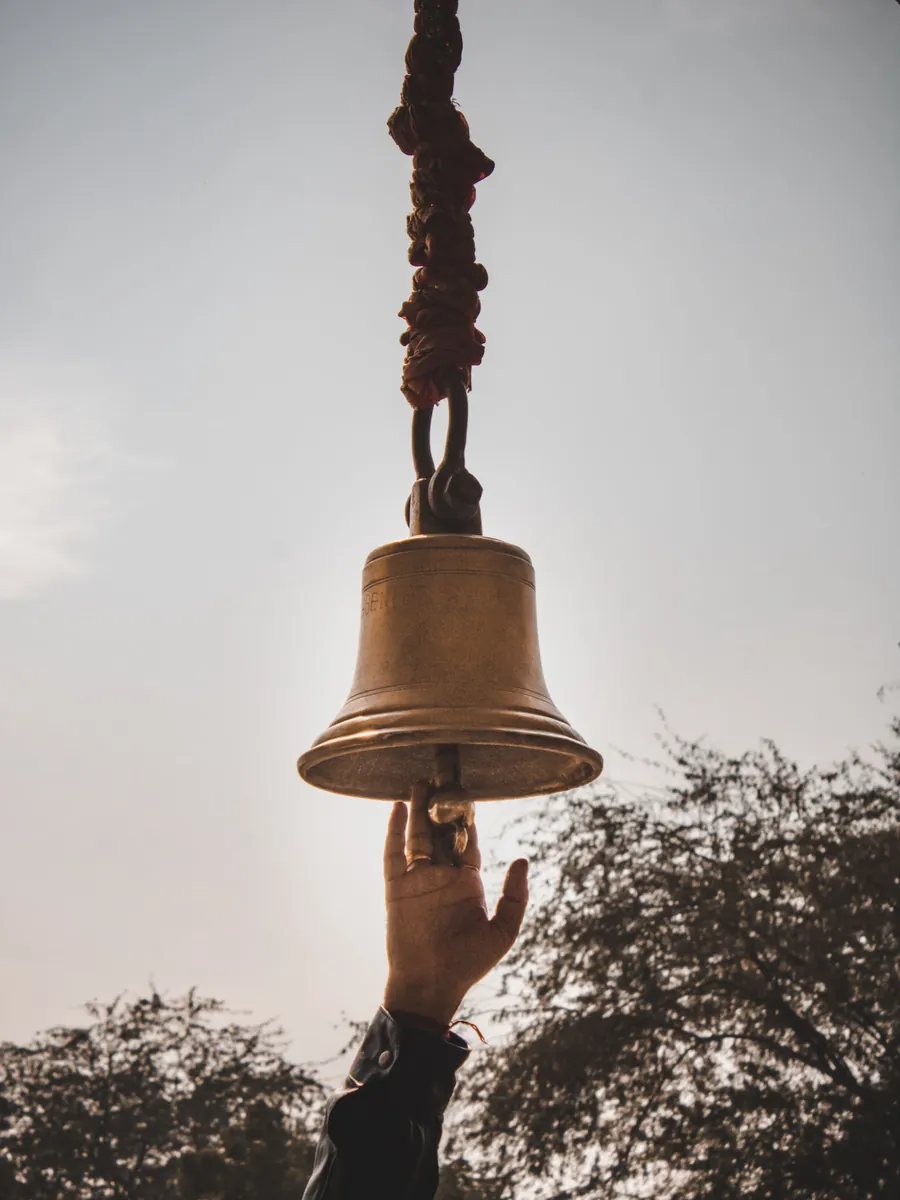
A temple lives only while the lamp is lit, the deity is served and the sacred word is spoken within its walls every day. The Śāstras name two things that keep it alive: prāṇa, the breath of the installed deity, and agni, the sacred fire and the ordered worship that feeds it.
The tradition sees the temple as a Person, the Prāsāda-puruṣa. Its foundation is the feet, its walls the body, its tower the head, and its sanctum, the garbhagṛha (“womb-house”), the heart where the deity dwells. However well the walls may stand, a temple whose worship has stopped is a body whose heart has gone still.
Prāṇāgni, “the fire of life”, is the work of keeping that heart beating.
A temple was the heart of the whole society
For centuries the great temples of Bhārata sustained far more than worship. Their inscriptions record endowments for priests, musicians and lamp-lighting, for schools of learning, and even for hospitals.
A temple held six lives together: the spiritual, the educational, the charitable, the economic, the artistic and the social. It was the one place where every part of society gathered for something greater than itself.
Prāṇāgni begins with the first of these, because every other life of the temple depends on it.
Why begin with Kāśī
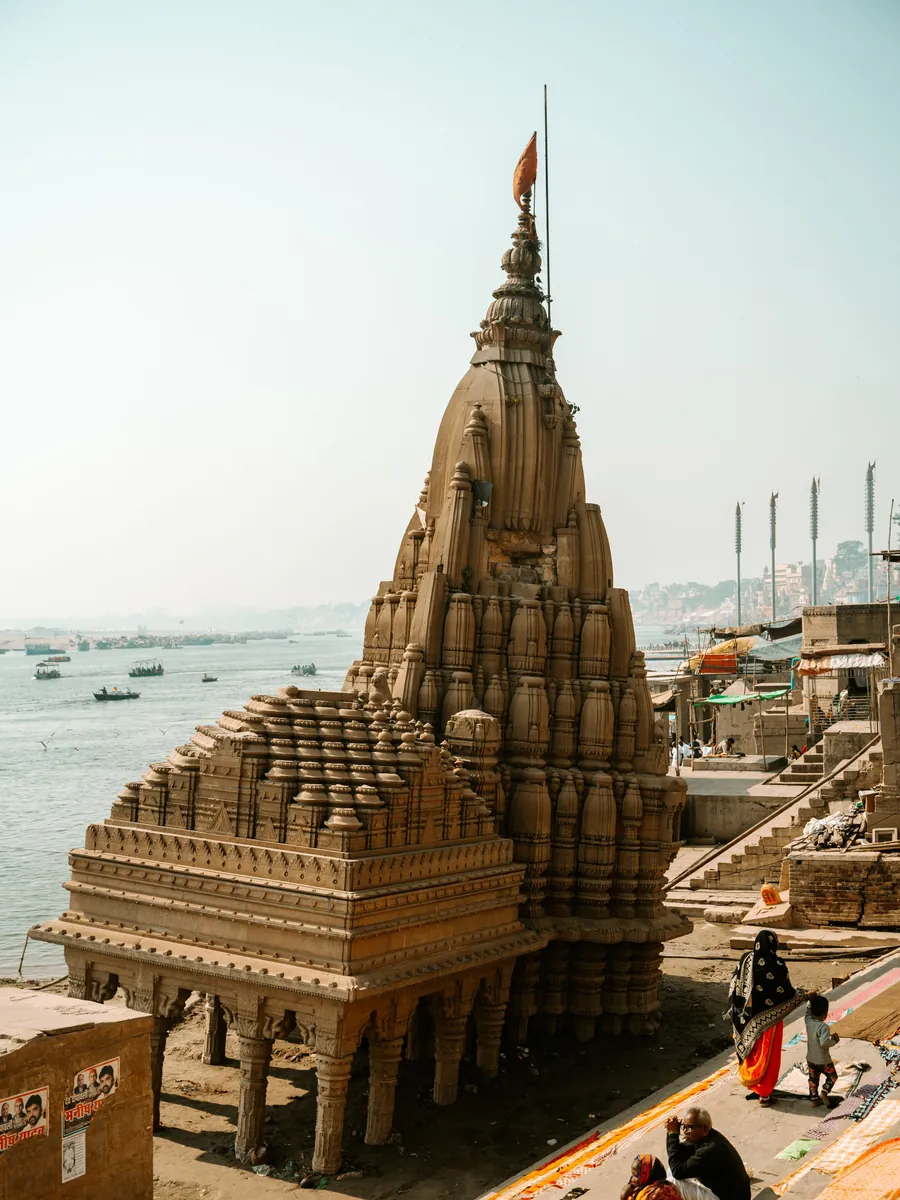
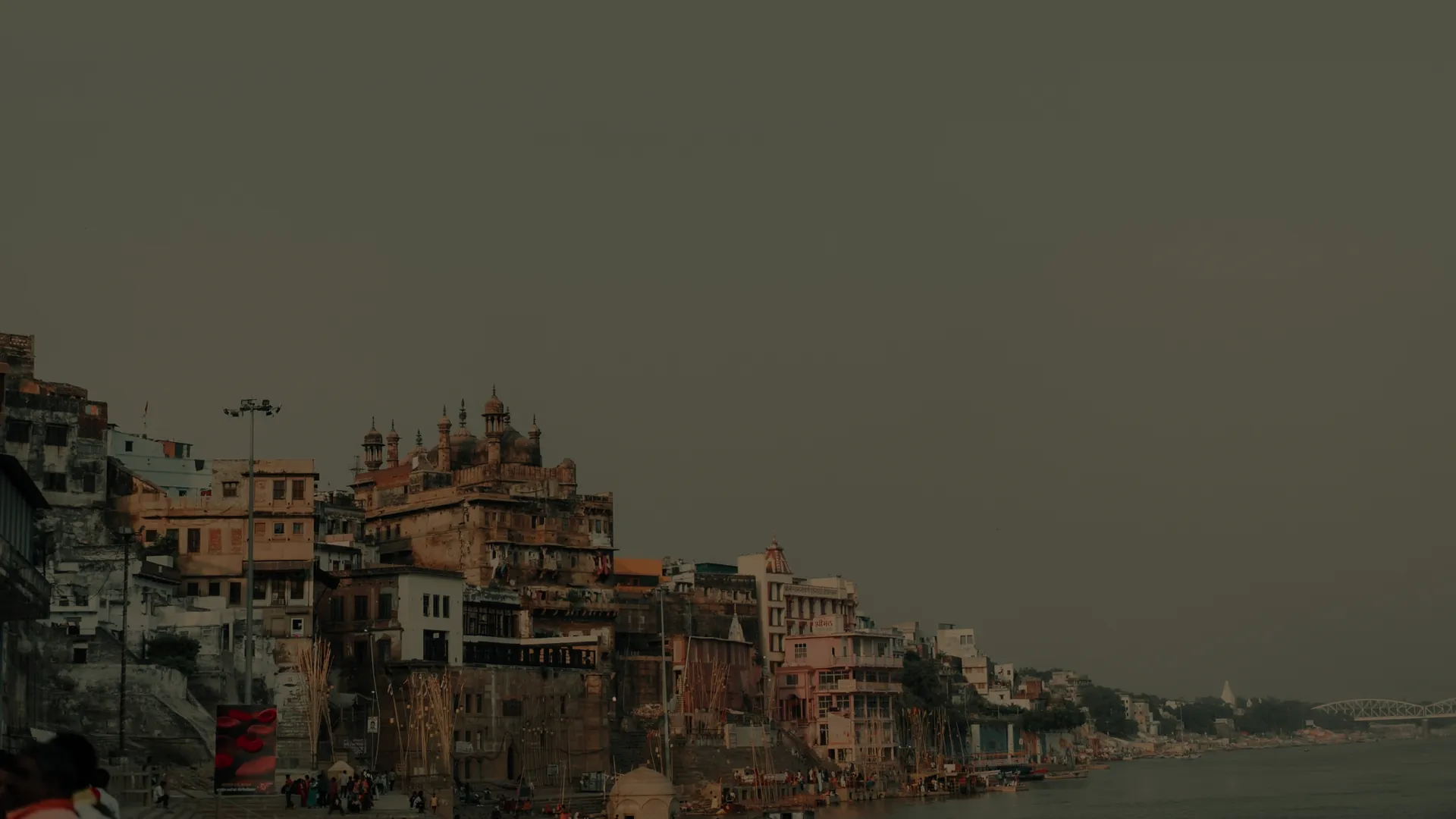
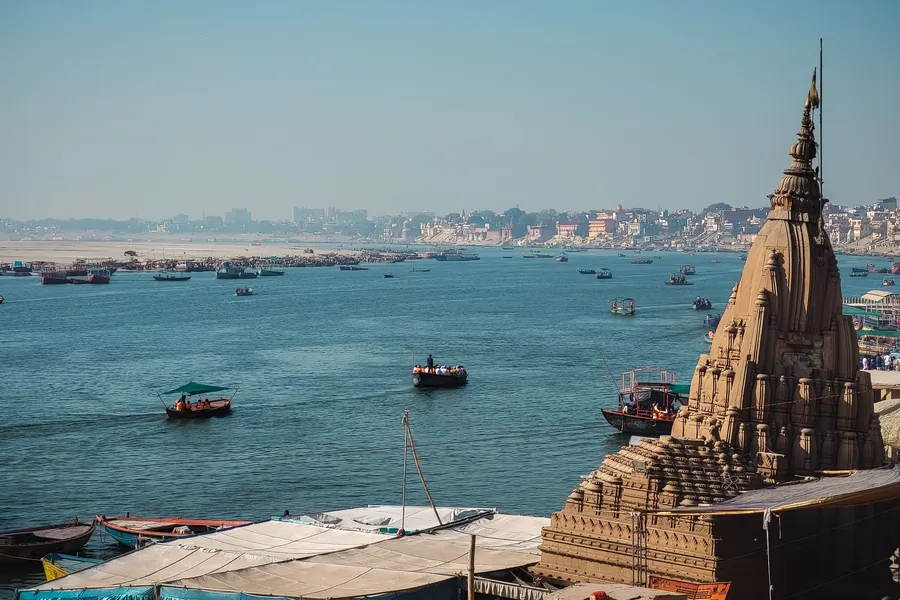
No city in Bhārata is more completely a temple. Its oldest name is Avimukta, “never let go”: the place Śiva has never forsaken, not even when the worlds dissolve.
Kāśī is counted among the seven mokṣapurīs, the cities that grant liberation. The tradition holds that here, as the life-breath leaves any creature, Rudra Himself gives it the tāraka, the Name that carries across.
When Śiva was once offered any boon in creation, He asked nothing for Himself. He asked only that every being who dies in His city should go free. A city founded on such giving is the right place to begin a work of giving.
The Kāśī Khaṇḍa of the Skanda Purāṇa names a vast number of shrines across the city. Many still stand among its lanes and ghāṭs, and not every one of them today keeps the full daily worship it once did.
Every Hindu home carries some memory of Kāśī. To keep its lamps burning is to keep a promise every Hindu home has already made.
The first step: eleven temples of Kāśī
Prāṇāgni begins by restoring and sustaining daily worship at eleven ancient temples of Kāśī, chosen from those named in the Kāśī Khaṇḍa and other Purāṇic sources. Each temple is studied and visited before it is taken up, and each keeps its own deity, tradition and custom.
- The Lamp (Dīpa)
A dedicated pujārī at every temple, with the daily pūjā and all its materials provided
- The Word (Pāṭha)
Every day the pujārī recites the Śrī Rāmacaritamānasa, the Śrīmad Bhagavad Gītā and other granthas within the temple
- The Children (Laghu Gurukul)
Where a temple shows the potential, a small gurukula for the children of the area, with its own learning material prepared with learned Ācāryas and scholars and opened step by step
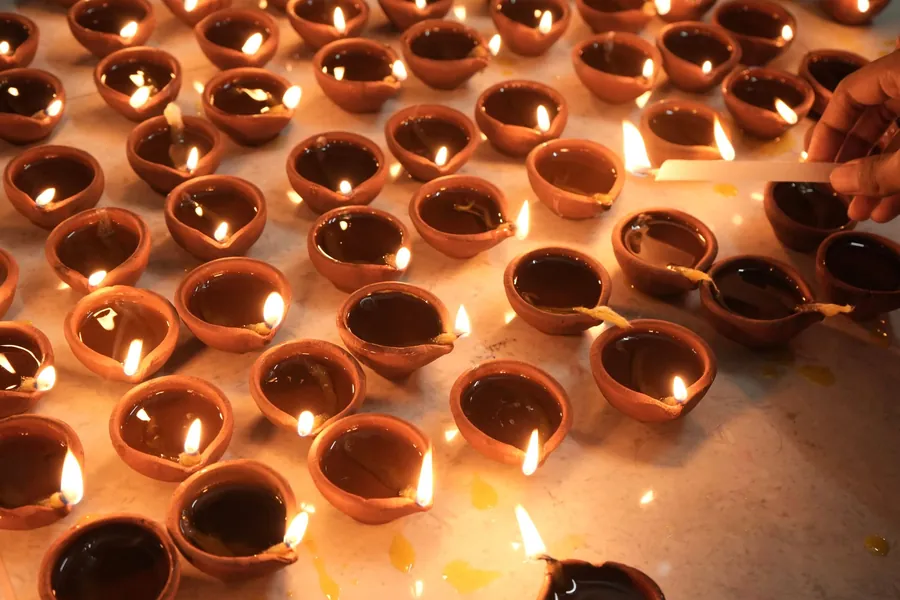
The pujārī of Prāṇāgni will not only light the lamp. Through his daily pāṭha, awareness of Dharma will grow among the people of the area, and above all among the children.
The eleven temples
The eleven temples of the first circle are being prepared. By Dev Dīpāvalī, 24 November, each will be unveiled here with its deity, its place in the Kāśī Khaṇḍa and its story. Every lamp lit is a temple alive.
- Being prepared
- Daily worship active
- 1
- 2
- 3
- 4
- 5
- 6
- 7
- 8
- 9
- 10
- 11
Beginning in Kāśī, not ending there
Kāśī is the first circle. The aim is every ancient temple of Bhārata whose lamp has grown dim. As the work takes root, it will widen to more temples and more sacred regions, and to fuller restoration: careful survey, care of the structure, ritual restoration and local guardianship by devoted Āstikas.
Each temple restored becomes a lamp that lights the next.
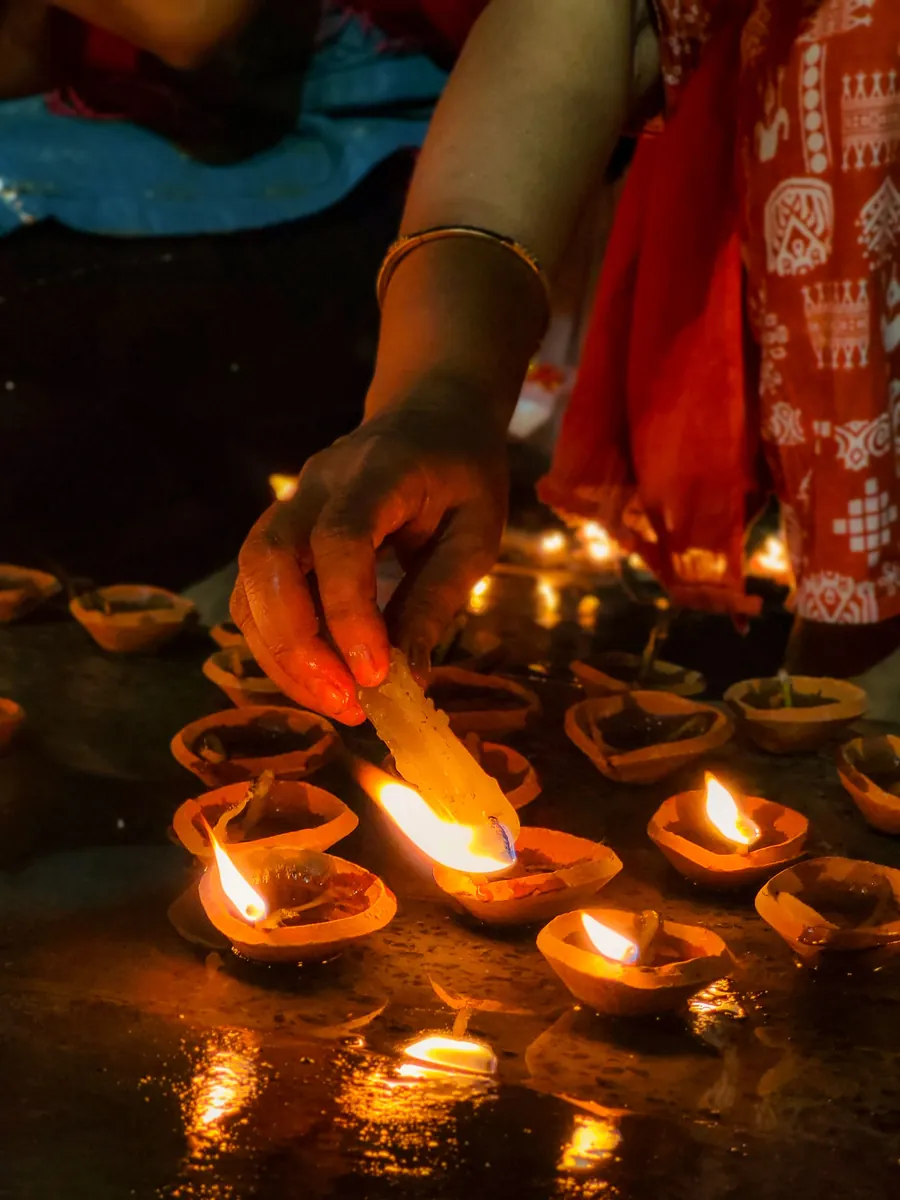
Take your share in Prāṇāgni
Every contribution goes into one common fund that sustains all eleven temples together. You do not support one temple alone; you stand behind all of them.
- One temple
Keeps one temple’s pujārī and daily pūjā: about two shares
₹8,000 a month - All eleven
Keeps all eleven alive: about twenty shares
₹88,000 a month
Meet us online
Leave your details and our team will reach you personally.
We are holding a short online meeting to share the vision of Prāṇāgni, the plan for Kāśī, and how Hindus across the world can stand behind it together. Come with your questions.
- Date
- To be announced
- Time
- Shown here for Canada, the US, the UK and India once it is fixed
- Platform
- The link reaches everyone who registers, by email and WhatsApp
Thank you. The meeting details will reach you by email and WhatsApp. Har Har Mahādeva.
Questions people ask
- Is anything paid on this site?
- No. Leave your details and our team will reach you personally on WhatsApp or email, and explain the ways to give.
- Can I pause or stop my share?
- Yes, at any time. Tell our team on WhatsApp or email and your share stops.
- How will I know the worship is happening?
- Every month you receive an update with photographs from the temples on WhatsApp.
- When will the eleven temples be named?
- By Dev Dīpāvalī, 24 November 2026, each will be unveiled on this page with its deity and its story.
- Is my share tax-deductible?
- Our team will explain the receipts and any tax benefit that applies where you live.
Ramdoot Restores Foundation
Ramdoot Restores Foundation is a registered not-for-profit based in New Delhi, devoted to the conservation of temples and sacred heritage across India under its Mission 108. Its work is followed by a community of more than 1.5 million people across Instagram, Facebook, YouTube and X.
Much of its work so far has restored stone: sanctums, walls, stepwells and sites. Prāṇāgni restores what the stone was built to hold. It is the Foundation’s spiritual and ritual restoration, the first and most essential layer of its temple work.
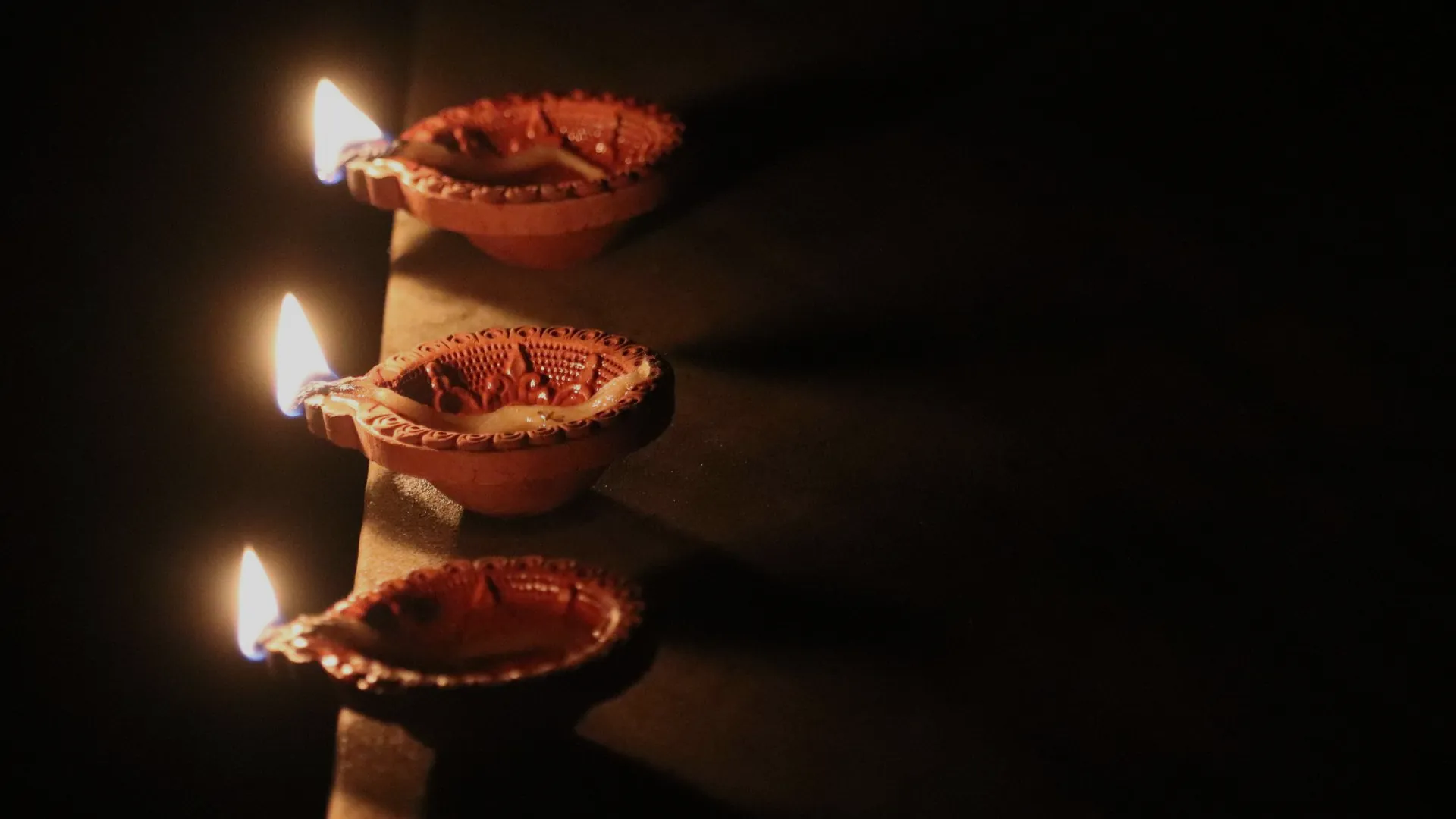
Let us rekindle the fire of life together
Beginning in Kāśī, the city that is never let go.